
Parks and Nature

AGULHAS NATIONAL PARK
Nestled on the Agulhas Plain, where the Indian and Atlantic Oceans converge, lies the breathtaking Agulhas National Park. This reserve is a treasure trove of biodiversity, offering a unique blend of landscapes, flora, and fauna found nowhere else on earth.
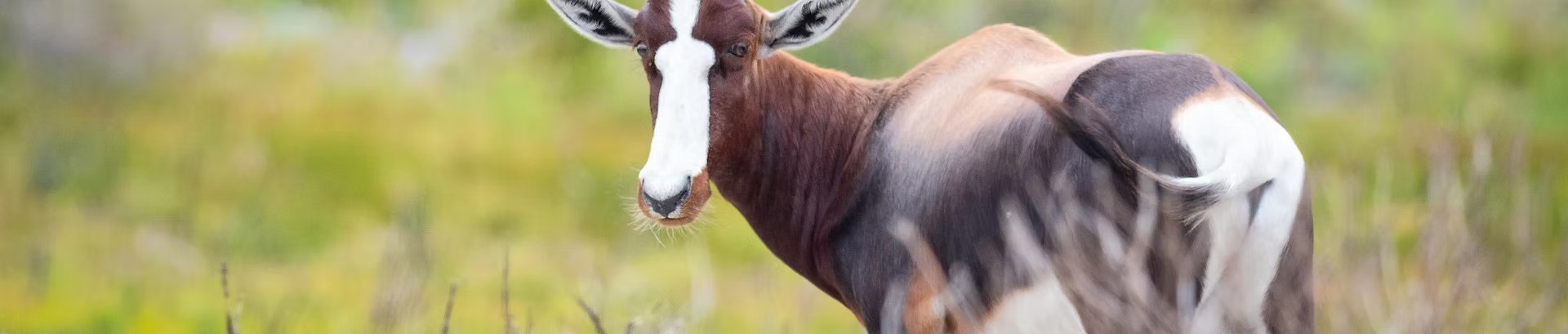
The park is home to rare bird species such as the African Black Oystercatcher and Damara Tern, while its unique lowland Fynbos provides a haven for zebras, bontebok, baboons, reptiles, and more. Between May and September, wildflowers bloom in dazzling displays, adding splashes of colour to the coastal scenery. Offshore, you may spot Southern Right Whales gracing the horizon during their migration season.
The coastline is steeped in maritime history, with numerous shipwrecks scattered along the shore, including the Zoetendal, Birkenhead, and Armiston. The rusting Meisho Maru 38 is still visible today, just a short walk or drive from the Southernmost Point of Africa monument. From here, you can begin the Rasperpunt Hiking Trail (5.5 km circular) or tackle the Two Oceans Trail, a 10.5 km hike with shorter 3 km and 4.5 km alternatives.
Birdwatchers can pick up a comprehensive birding list at the lighthouse tourist office to spot the park’s wide variety of species. With its wildlife, wildflowers, shipwrecks, and hiking trails, Agulhas National Park is truly a South African gem.
Entrance Fees:
- South African citizens: R52 (adults) | R26 (children) per day
- International visitors: R208 (adults) | R104 (children) per day
NUWEJAARS WETLANDS
The Nuwejaars Wetlands Special Management Area (SMA) is a remarkable conservation initiative, forming part of an internationally recognised Important Bird and Biodiversity Area. Once the original home of the Bontebok, this protected area has been carefully restored to safeguard its wetlands and the wide array of species that depend on them.
Today, the SMA is home to one of the largest Rau Quagga populations in South Africa, alongside an impressive list of mammals including buffalo, hippo, hartebeest, Cape grysbok, duiker, steenbok, rhebok, bontebok, and eland.
For visitors, the highlight is the Nuwejaars Wildlife Guided Tour, which provides exclusive access to private land not open to the general public. On this unforgettable excursion, you’ll encounter some of the 235 recorded bird species such as the Agulhas long-billed lark, African fish eagle, purple heron, flamingo, pelican, kingfisher, Cape sugarbird, orange-breasted sunbird, and Kittlitz plover, making this a true birder’s paradise.
The tour includes a visit to a secret wetland and lake, teeming with wildlife and perfect for photography. Guided by knowledgeable experts, you can choose between a Morning Wildlife Tour (R400 per person) or a Sunset Wildlife Tour (R450 per person). Children under 12 enjoy half-price entry. Bookings can be made via Webtickets, with more details available on their official website.

DE HOOP NATURE RESERVE
The De Hoop Nature Reserve is one of the Western Cape’s most treasured natural gems, offering a unique blend of wildlife, birdlife, fynbos, and marine ecosystems. It is home to an impressive variety of mammals including bontebok, Cape mountain zebra, eland, and rhebok, as well as a rich bird population with over 260 recorded species.
Birding enthusiasts may spot Cape vultures, fish eagles, flamingos, pelicans, African black oystercatchers, Cape sugarbirds, orange-breasted sunbirds, and more. Offshore, the ocean teems with dolphins, seals and whales, though fishing is prohibited, as De Hoop’s coastline forms part of a Marine Protected Area.
The reserve opens daily from 7am, with conservation fees payable at the gate. Visitors can explore at their own pace, by car, on foot or by bike, and enjoy a meal at the Fig Tree Restaurant or pack a picnic to Koppie Alleen, a spectacular spot for swimming, sand dune picnics, and some of the best land-based whale watching in South Africa.
For a more immersive experience, De Hoop offers a variety of guided activities including walking tours, marine walks, birdwatching, cycling tours, and open-vehicle game drives. The Cape vulture viewing platform provides a rare opportunity to observe these endangered birds up close. Visitors can also explore independently with a range of hiking and biking trails. The shortest hiking option, the 5km “Red Route”, starts at the restaurant, while the reserve also offers four mountain biking routes, with bicycles available for hire at reception.
For those who prefer expert insight, the guided afternoon game drive is a highlight. Traversing private roads in an open safari vehicle, the drive showcases the park’s animals as well as its exceptional flora, including limestone fynbos, proteas, ericas, restios, geophytes, and leucodendrons, many of which are rare or endemic to De Hoop.
With its unmatched diversity of land, sea, and plant life, De Hoop Nature Reserve is a must-visit for anyone wanting to experience the Cape’s wilderness in its purest form.
DE MOND NATURE RESERVE
Tucked between Arniston and Struisbaai, De Mond Nature Reserve is a paradise for outdoor enthusiasts, birders, and nature lovers alike. This coastal gem protects a mosaic of wetlands, dune fields, salt marshes, and a pristine river estuary, creating habitats for an incredible variety of species.
The reserve is a birdwatcher’s dream, home to Caspian terns, blue cranes, black harriers, Damara terns, African black oystercatchers, and many more. Occasionally, larger animals such as bontebok, Cape mountain zebra, and ostrich wander into view. Between July and November, the coastline becomes a prime spot for land-based whale watching, as Southern Right Whales return to calve in the sheltered bays. The floral diversity is equally impressive, with over 1,200 recorded plant species, including rare fynbos found only in this part of the Cape.
Visitors can enjoy the reserve in a variety of ways:
- Hiking: The Sterna Trail (7km) meanders through riverine vegetation and dunes before reaching the estuary and salt marshes, while the De Mond to Waenhuiskrans Coastal Trail (11km, approx. 4 hours) offers a spectacular shoreline walk.
- Picnicking: Shady trees along the riverbanks provide the perfect setting for a peaceful break surrounded by nature.
- Fishing & Swimming: The estuary and coastal waters are well-known fishing spots, and there are designated areas along the coast where swimming is permitted.
With its blend of sea, dunes, wetlands, and rare flora, De Mond Nature and Marine Reserve offers a complete outdoor experience, an escape into the tranquility and raw beauty of the Cape’s unspoiled landscapes.

HEUNINGBERG NATURE RESERVE
Perched on the edge of Bredasdorp, Heuningberg Nature Reserve began as a wildflower garden on the slopes of Honey Mountain. Today, it protects more than 300 plant species, many of them endemic to the region. One of its most special sights is the Bredasdorp Lily, which blooms only here during April and May, painting the reserve with delicate bursts of colour.
A network of hiking trails winds through the reserve, leading past striking landmarks such as the Lot’s Wife rock formation and the Pulpit rock, while offering sweeping views over Bredasdorp and Arniston. The reserve is also home to a variety of wildlife: keen-eyed visitors may spot duiker, klipspringer, or grysbok, along with an array of resident bird species.
The entrance is located near the Bredasdorp Hospital and is open to visitors year-round. The vehicle gate operates weekdays from 7:30 AM to 4:30 PM (closed on public holidays), but visitors can still access the park on foot outside of those hours.
Ready to have the house to yourselves?
Tell us roughly when, and how many. We reply personally, usually within one working day.
Plan Your RetreatNo obligation, and no cost to enquire.